The goal here isn't just theory - it's fabrication. It's completely free, seats are strictly limited, and this time you'll have to earn yours. Applications close July 6.
12 days. 6+ hours daily. Hardcore engineering designed to push your limits and bridge the gap between theory and reality. This is not a lecture series you watch from the comfort of your couch. It's a relentless, two-week sprint where every hour is spent building. By the end, you won't just understand how a processor works - you'll have architected and fabricated your own, from the ground up.
Accept the challenge: design and build your own CPU in just two weeks. No abstract exercises. No filler. Every participant designs their own processor from scratch using Verilog and C++, and every participant has a real chance to see their designed chip actually fabricated. Most people only read about this. You'll do it.
The clock is ticking. Applications close on , and seats are strictly limited. The bootcamp itself runs August 17-30 in Astana, but if you don't apply in time, you won't even be in the running. Beat the countdown.
Days
Hours
Minutes
Seconds
This is an elite intensive, and we hold you to an elite standard. Your performance during the two weeks determines how far your reward goes - and the top tier is the one everyone is fighting for.
Here's what's on the line:
🥇 Hit the top tier and we'll fabricate your design - your chip, in real silicon, plus an internship opportunity.
🥈 Push hard and earn a Certificate of Achievement, certification invitations, and a place in our alumni network.
🎓 Finish strong and walk away with skills almost no one in the country has.
The question isn't whether it's worth it. It's whether you'll show up and earn it.
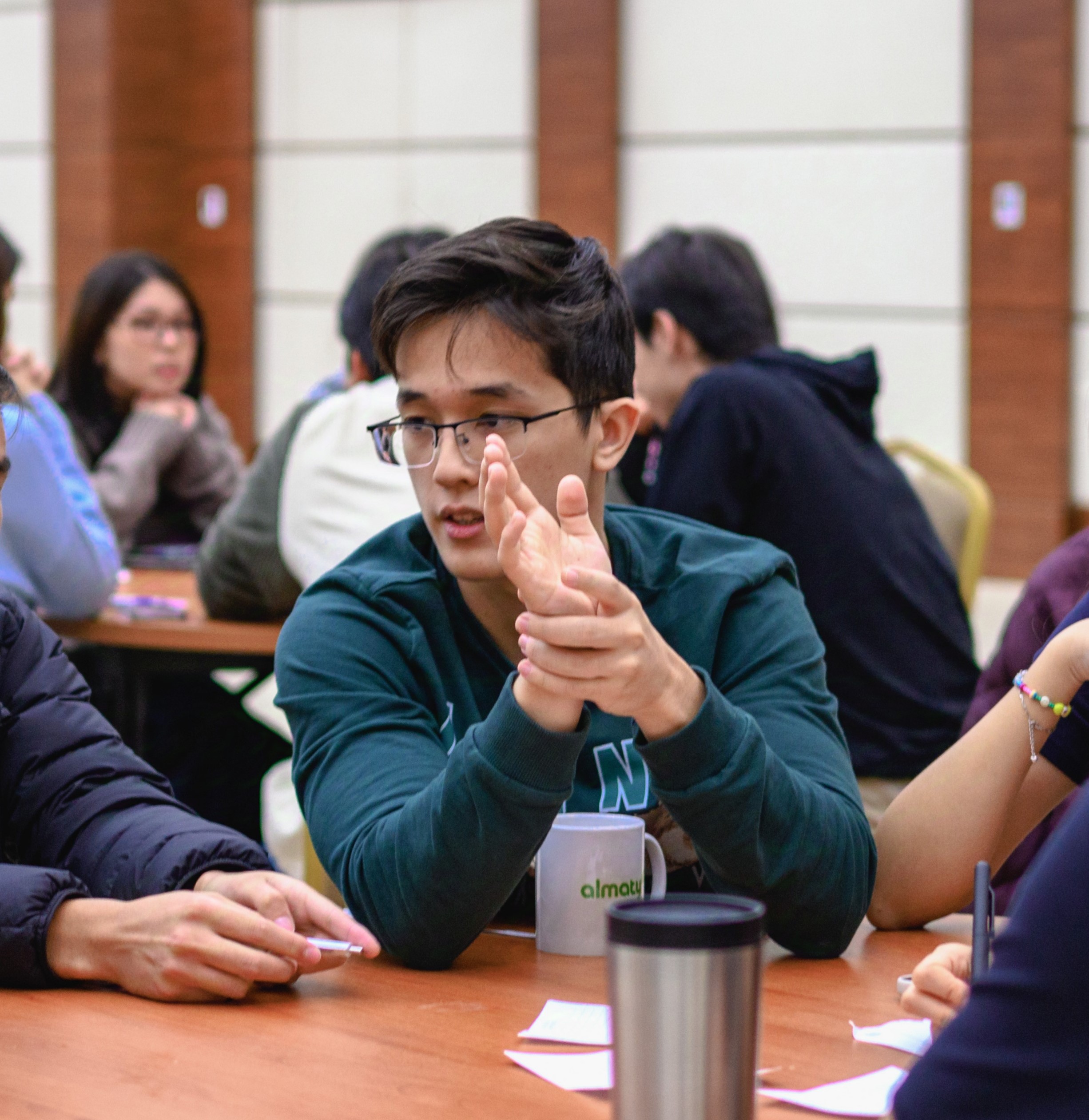
This bootcamp is open to everyone, regardless of where you're located, provided you can join us in person in Astana. It was inspiring to watch participants travel from across the country for our first cohort, and we can't wait to see that same fire this time. If you're willing to make the trip, we're willing to make you a chip designer.
A word of warning: this is hardcore. While no prior hardware experience is required, you'll move fast - basic programming knowledge is expected, and familiarity with C++ and comfort in a Linux environment will help you keep up. This is for people who are done watching from the sidelines and ready to build something real.
This isn't a course taught by someone reading a textbook one chapter ahead of you. You'll work directly under the guidance of top instructors from the Chinese Academy of Sciences - minds at the very forefront of global semiconductor research. This is the level of mentorship most people never get access to, brought directly to you in Astana.
And it gets better: our TAs are returning from their internships in China specifically to pass their hard-won knowledge on to you. Fresh off the frontier, they'll be in the room, in the trenches, helping you debug, design, and ship.
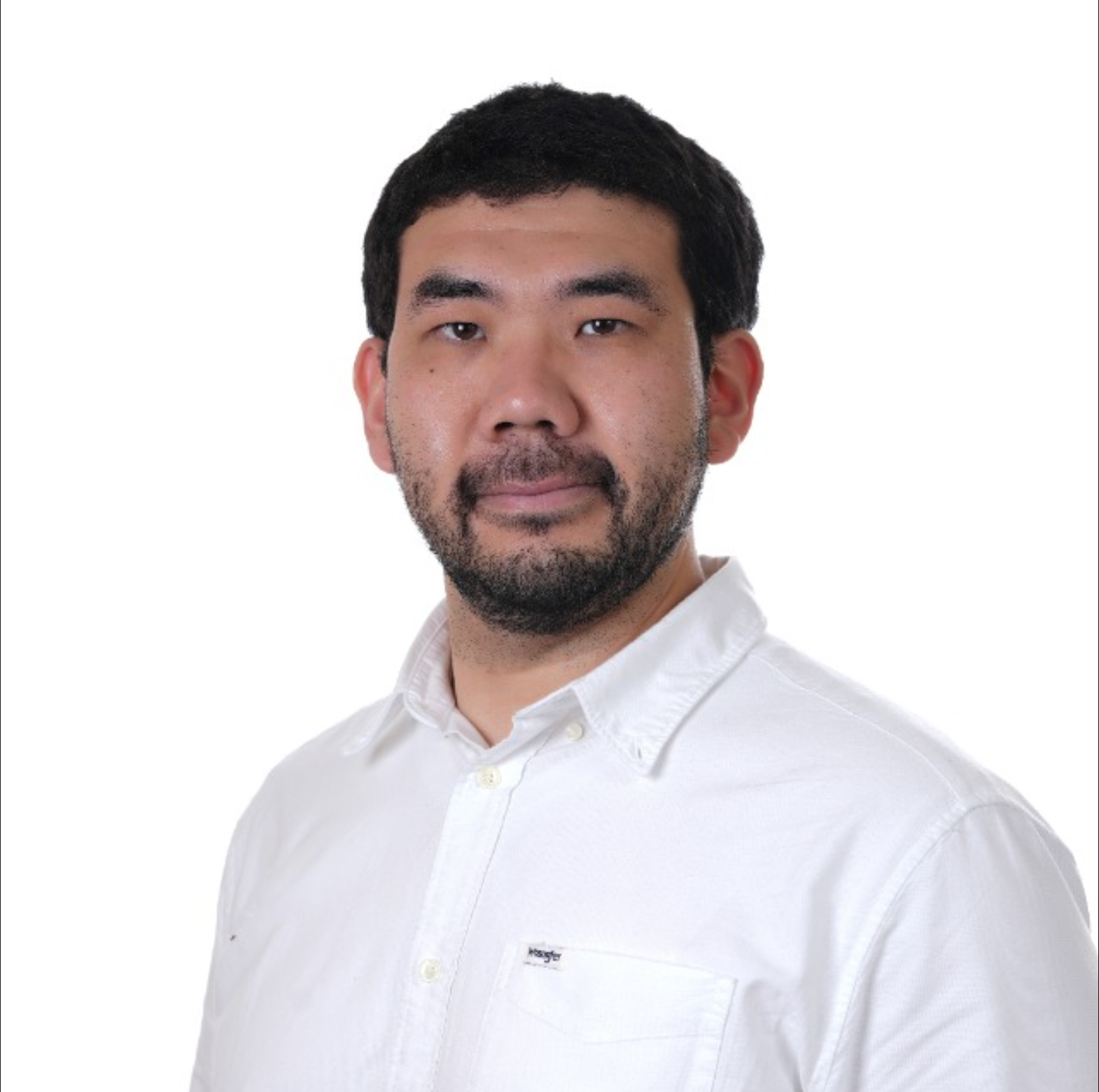
The bootcamp is led by Nursultan Kabylkas, Assistant Professor at Nazarbayev University and a University of California, Santa Cruz graduate with deep Silicon Valley experience - he interned at Esperanto Technologies designing a multi-core AI accelerator, and at AMD, where he continues to contribute to their GPU ISA project. He believes Kazakhstan can become a global leader in semiconductors, and this bootcamp is how he's building that future - one chip designer at a time.
When I started the course, I was really new to hardware. I didn’t even know what it was or how to work with it, so it was pretty challenging at first. But with the professor’s help, I learned a lot, from digital circuits to how processors work. My favorite part was learning through hands-on practice. I even designed my own processor from scratch.

This course is well-structured, and the gradual process of learning makes the material easy to understand. I came to this course with doubts and zero knowledge - now I love this field and have a core understanding of how ISA should work. Starting this course was a life-changing decision for me, and I believe it can become one for others too.

Great introduction to microprocessor design and verification! The material is well-organized, and everything is explained very clearly. By taking this course, I learned a new language (Verilog), gained a better understanding of ISA design, and learned new verification techniques that I never studied before. The course is highly practical, with tons of labs, but having your self-crafted processor at the end and being able to write programs for it was very satisfying and worth the time and effort.

This course is a breath of fresh air among CS courses. For the first time, I truly felt like I was doing something meaningful. What sets this course apart is how it introduced me to the world of hardware design, something I hadn’t explored before. While everything comes with its challenges, the small steps we took each time helped me gradually build and improve my processor design. Before starting the course, I couldn’t have imagined that I would design that processor architecture all by myself.

Course provided an important hands-on experience in both the design and verification of microprocessors. Writing a microprocessor in Verilog was a great exercise in understanding low-level hardware design, from creating registers and ALUs to implementing control logic. The verification was no less challenging, requiring a deep understanding of testbenches, simulation tools, and the creation of comprehensive test cases. So, If you want to deepen your knowledge of microarchitecture and gain practical hardware design and verification skills, this course is a great choice.

This program helped me develop my intuition about hardware. Theory is, of course, valuable, but when you build something, you encounter certain aspects firsthand, which gives you a deeper understanding of processors, even if it’s a simple one.

The course offers a comprehensive introduction to the fundamental concepts of microprocessor design, emphasizing both theoretical principles and practical verification techniques. It is well-planned and structured, with clear explanations, engaging lab assignments, and access to valuable resources. Professor Kabylkas created a supportive learning environment that encourages critical thinking and problem-solving, ensuring that students not only grasp the material but can also apply it in real-world scenarios by building projects. One of the highlights of the course was the building of a project, where we had the opportunity to design and build a fully functional microprocessor. At first, it was scary to me (the person who had 0 practical knowledge about the processors), but the step-by-step instructions and constant feedback from the Professor made it challenging and entertaining at the same time. In my humble opinion, this course is "musthave" for anyone pursuing a career in electrical engineering or computer science.

Microprocessor Verification was the most interesting course I took this fall, offering a solid introduction to hardware engineering. It’s ideal for those who enjoy building systems from scratch, as we constructed a microprocessor complete with an ALU, memory, and a control unit capable of reading ISA instructions, managing the entire instruction flow . The course strikes a great balance between theory and hands-on implementation, making it a bit challenging yet very rewarding. The professor was consistently approachable and supportive, always ready to help with questions or debugging issues. For anyone considering a career in hardware design or embedded systems, this course provides an excellent intro into this specific domain.

I really enjoyed this course. Before taking this course, my knowledge about computer systems was limited to a basic understanding of processors, assembly language, and binaries (from NU course CS231). However, this course gave me a much deeper understanding of how processors are designed, how they execute binary instructions, and how they interact with memory. As part of the coursework, I even created my own Turing-complete assembly language. The code of this language can then be converted into binary code and run on a processor to produce meaningful results.
We also explored advanced processor architecture topics, like branch prediction, cache coherence, and pipeline hazards. While these were covered briefly during lectures, it was enough to grasp how they work at an industry-standard level. Overall, I would highly recommend this course, not just for those interested in hardware development and computer engineering, but also for software engineers and computer scientists. Understanding how computers work at a low level is incredibly valuable for debugging and diagnosing potential issues.

The course is incredibly well structured, making it accessible even to someone like me, an electrical engineering student, despite being designed for CS students. The clear explanations and practical examples bridged the gap between disciplines, allowing me to grasp the concepts with ease. The clear explanations and practical examples made even complex concepts accessible. Through this course, I discovered my passion for this field and gained the confidence to pursue it further. I’m excited to continue improving my skills and building on the strong foundation this course provided.

This is a great course that builds a solid foundation in hardware design, verification, and computer architecture. It covers a diverse range of topics, from logic design fundamentals to modern processor architectures. Each lab exercise builds on the previous one, gradually enhancing the processor by adding additional capabilities and modules at each step. Through hands-on experience, I learned about the way processors operate and optimization techniques used to enhance performance.

In this course, I acquired basic skills and knowledge about microprocessor design and verification. All learning happens in practice, by the end of the course we designed and verified a 16-bit processor with 21 operations. These practical assignments gave me a deeper understanding of previous courses on computer architectures. I also learned how to work with verilog, and combine it with c++. The most interesting part of the course was developing an emulator for the processor and cosimulation verification done with help of the emulator as a golden model.

This course has been an incredible journey in understanding the complexity of computer architecture, low-level programming, and the interaction between software and hardware. The progression from creating simple digital logic circuits to designing our own processor has been as challenging as it is rewarding. The course has taught me to think like a true hardware engineer, always keeping in mind the HDL mantra: "I am describing a physical hardware." Not only did I learn how to design hardware, but I also learned how to verify it, which strengthened my C++ skills. Anyone looking to begin their journey in hardware engineering and build a solid foundation in it should definitely take this course.

This was one of the most interesting courses I took during my four years at this university. The course is well-structured, and even if you take it as a freshman, by the end of the semester, you'll have a thorough understanding of the material. Instructor Kabylkas guides you step by step towards the course objectives. Moreover, he is always accessible and ready to provide any support you might need, which makes the learning experience even better.

We value your feedback! Please share your feedback with us if you took the course. Let others know about your experience. Email your feedback to kabylkas@texer.ai
Here's the part that sounds too good to be true: this bootcamp is 100% free. No tuition, no hidden fees. The only currency we accept is effort. We took everything we learned from our first cohort and made this one even better - and even more exclusive. To protect a high standard of engineering, we're introducing a selective application process: applicants must complete specific technical tasks before joining. Not everyone who applies will get in. Are you ready for the challenge?
Free to join, but seats are strictly limited. Applications close July 6 - don't wait until they're gone.
We learned a lot from our first cohort, and one big takeaway was this: the magic happens when everyone in the room is genuinely committed and ready to engineer. So this time we're being selective. After you submit the application form, we'll send you specific technical tasks to complete. These tasks help us ensure a high standard of engineering across the group - and honestly, they're your first taste of the challenge ahead. Complete them, impress us, and you're in.
The bootcamp runs in person in Astana over two intense weeks - 12 days, 6+ hours daily. It's open to everyone regardless of where you're located, as long as you can join us in Astana for the duration. For our first cohort, participants traveled from all over the country, and that energy was electric. If you're committed enough to make the trip, you're exactly who we're looking for.
This is for people who are done just consuming technology and want to start building it. Curious students, aspiring engineers, software developers who want to understand the silicon underneath their code - if you're ambitious and ready to work hard, you belong here. No prior hardware experience is required, but you'll move fast, so basic programming knowledge is expected. Familiarity with C++ and Linux will help you keep pace.
Yes - that's the whole point. There are no abstract exercises here. Every participant designs their own processor from the ground up using Verilog and C++, and every participant has a real chance to see their design actually fabricated. Most engineers go their entire careers without taping out a chip. You could do it two weeks after walking through the door.
Yes - the bootcamp is completely free. No tuition, no hidden costs. There's no catch, but there is a bar: because we invest serious resources, world-class instructors, and hands-on fabrication into every participant, we keep the cohort small and selective. The "price" is your effort - you'll need to pass the technical tasks to get in, and then show up ready to work hard for two intense weeks. Bring that, and the rest is on us.